

Biography

Early Life

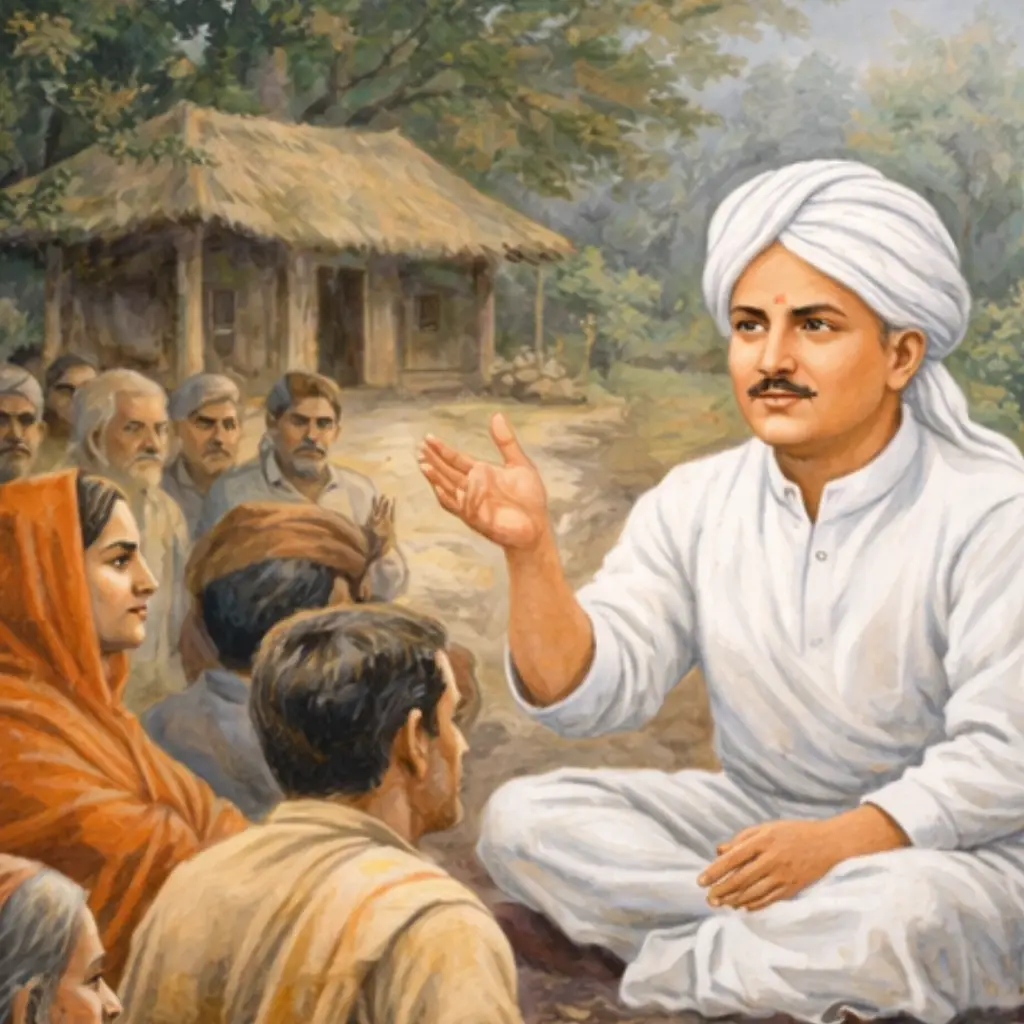
Bakhtar Sai was born into a humble rural family where simplicity, discipline, and moral values were deeply rooted in everyday life. From an early age, he learned the importance of honesty, self-respect, and collective responsibility. His family environment emphasized dignity of labor and respect for community traditions, which played a crucial role in shaping his strong and grounded personality.

Growing up in a village, Bakhtar Sai lived closely with nature and experienced the realities of rural life firsthand. He witnessed the hardships faced by farmers, laborers, and tribal communities, especially under colonial exploitation. These early experiences gave him a deep understanding of social inequality and strengthened his emotional connection with the struggles of ordinary people.

As he grew older, Bakhtar Sai became increasingly aware of injustice, oppression, and the impact of British rule on his community. Stories of resistance, local movements, and sacrifices of earlier freedom fighters inspired him deeply. This period marked the awakening of his political and social consciousness, transforming silent observation into a growing desire for action.

The values, struggles, and awareness formed during Bakhtar Sai’s early life laid the foundation for his later role as a fearless freedom fighter. His strong character, shaped by hardship and empathy, prepared him to stand against oppression with courage and determination. These formative years were instrumental in turning him into a symbol of resistance and leadership.

Cultural & Leadership Background

He was raised within tribal warrior traditions, learning survival skills, community leadership, and respect for nature. His strong connection with tribal communities helped him emerge as a respected and influential leader.

Guardian of Cultural Identity

Leader of the People

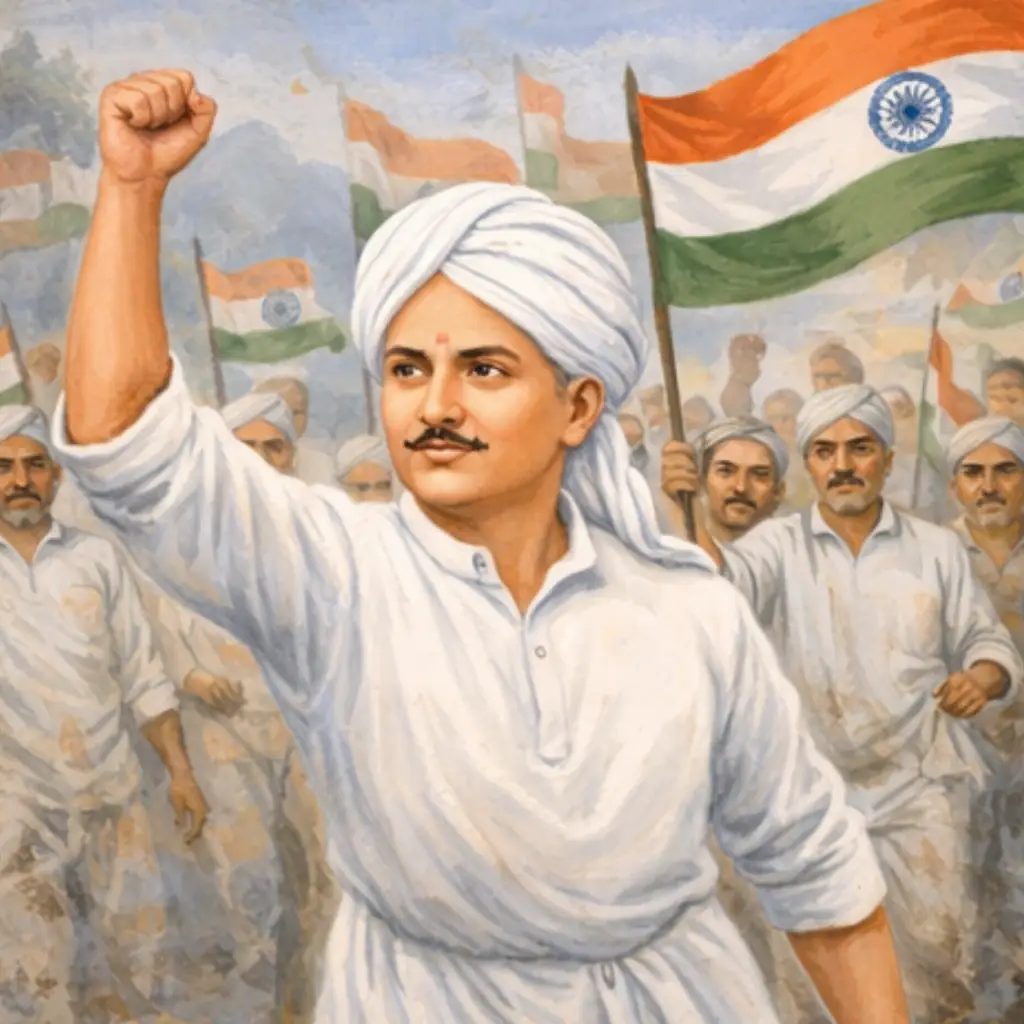
Voice of Collective Resistance

Leading communities to stand fearless against oppression

Rise as a Resistance Leader

Emergence of a Fearless Leader

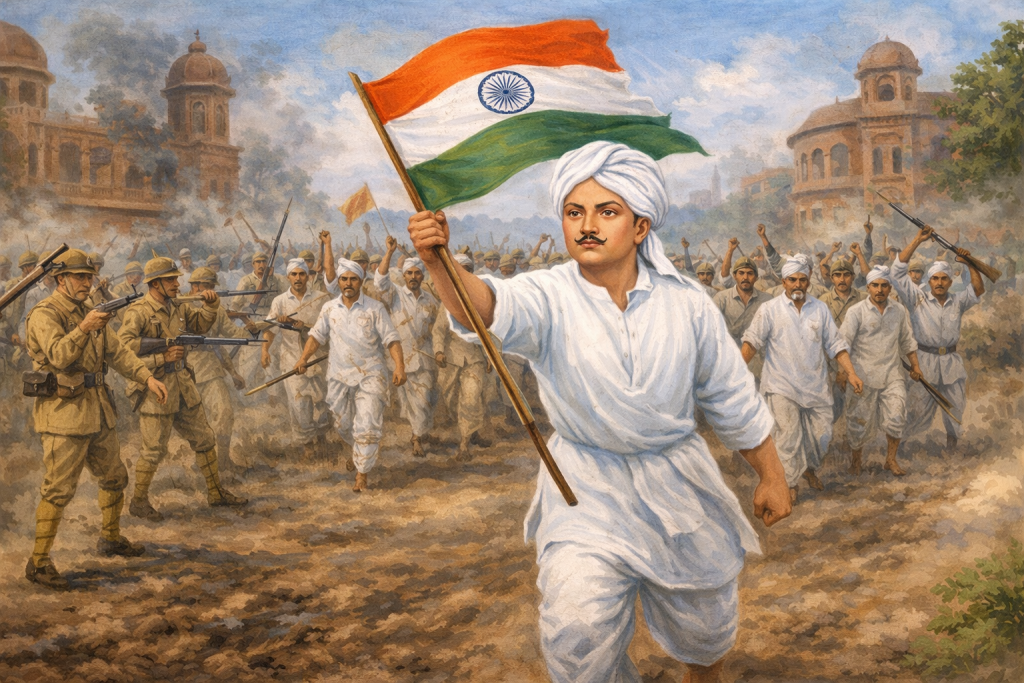
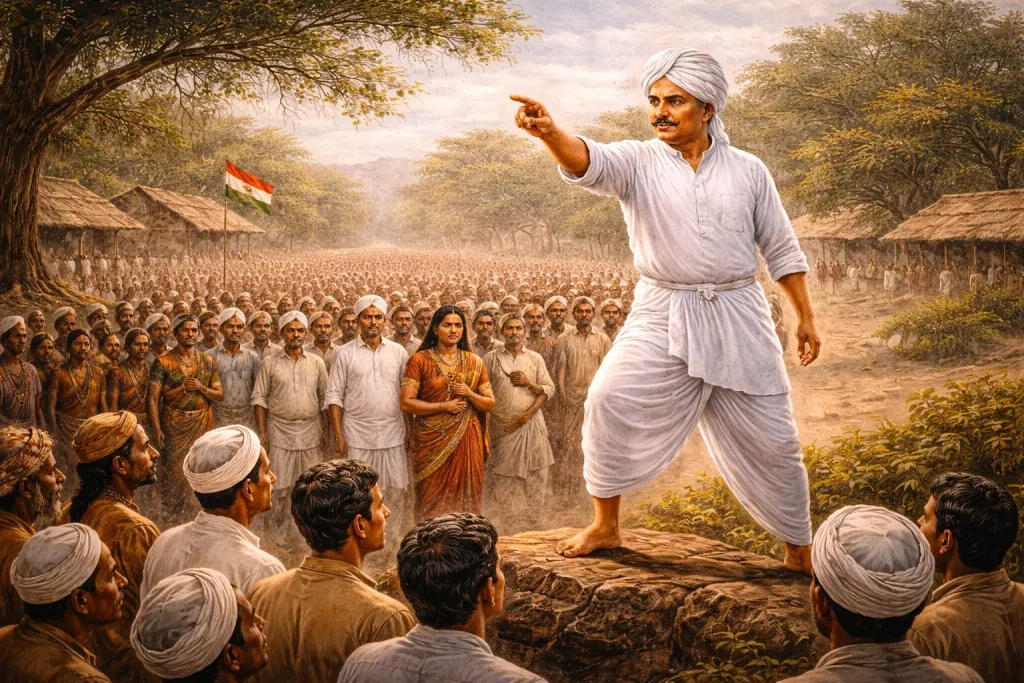
Bakhtar Sai rose from the grassroots as a powerful voice of resistance, uniting villagers and tribal communities against colonial injustice freedom.

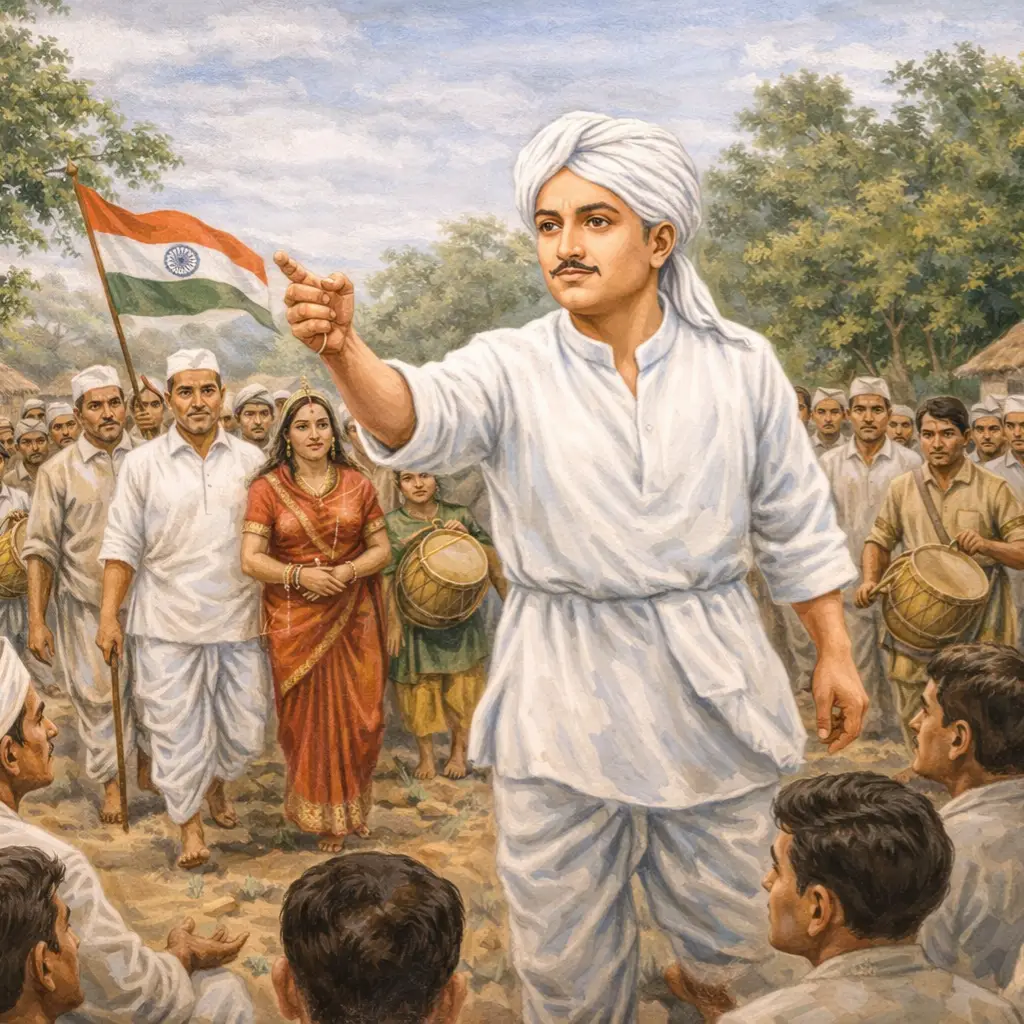
Mobilizing the Masses

Through speeches, organization, and cultural unity, he transformed scattered resentment into collective action.
Scroll to Top