
Tribal Resistance Movement
- Home
- Resistance
Resistance Against Colonial Taxation
What Was the Movement?
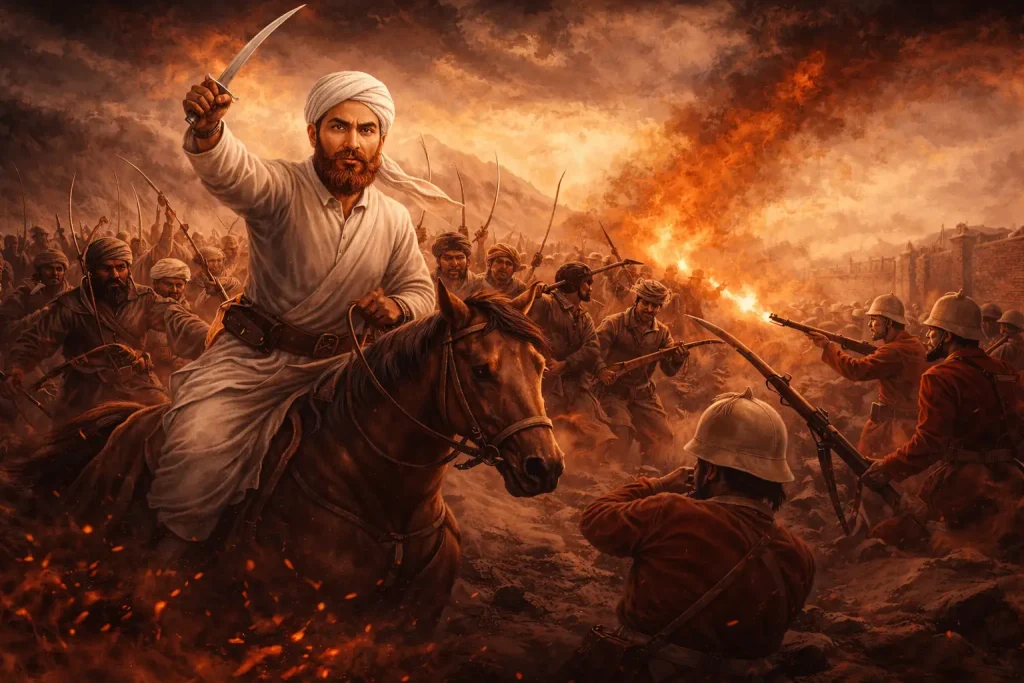
One of the primary reasons behind Bakhtar Say’s movement was the heavy taxation imposed by British authorities. Tribal communities traditionally lived through agriculture, forest resources, and local trade. The British introduced new revenue systems that forced tribal people to pay taxes in cash rather than traditional barter or resource-based contributions.
Bakhtar Say mobilized tribal communities to protest and refuse these unjust taxes, encouraging unity and collective resistance.
One of the primary reasons behind Bakhtar Say’s movement was the heavy taxation imposed by British authorities. Tribal communities traditionally lived through agriculture, forest resources, and local trade. The British introduced new revenue systems that forced tribal people to pay taxes in cash rather than traditional barter or resource-based contributions.
Bakhtar Say mobilized tribal communities to protest and refuse these unjust taxes, encouraging unity and collective resistance.
Objectives of the Movement

Protection of Tribal Land and Forest Rights
Safeguarding ancestral lands and forests from colonial seizure, ensuring tribal communities retained their traditional sources of livelihood and cultural connection to nature.

Resistance Against Colonial Taxation
Opposing unfair taxes and forced economic policies imposed by colonial authorities that disrupted tribal economies and pushed communities into hardship.

Preservation of Tribal Traditions and Self-Rule
Maintaining indigenous customs, governance systems, and cultural identity by resisting external interference in tribal leadership and social structures.

Freedom from Foreign Domination
Striving for independence from colonial rule and protecting the dignity, autonomy, and rights of tribal communities.
What Was the Movement?
Tribal Leadership
United tribal communities and organized resistance against British colonial oppression.
Armed Resistance
Led warriors in battles defending land, culture, and community independence.
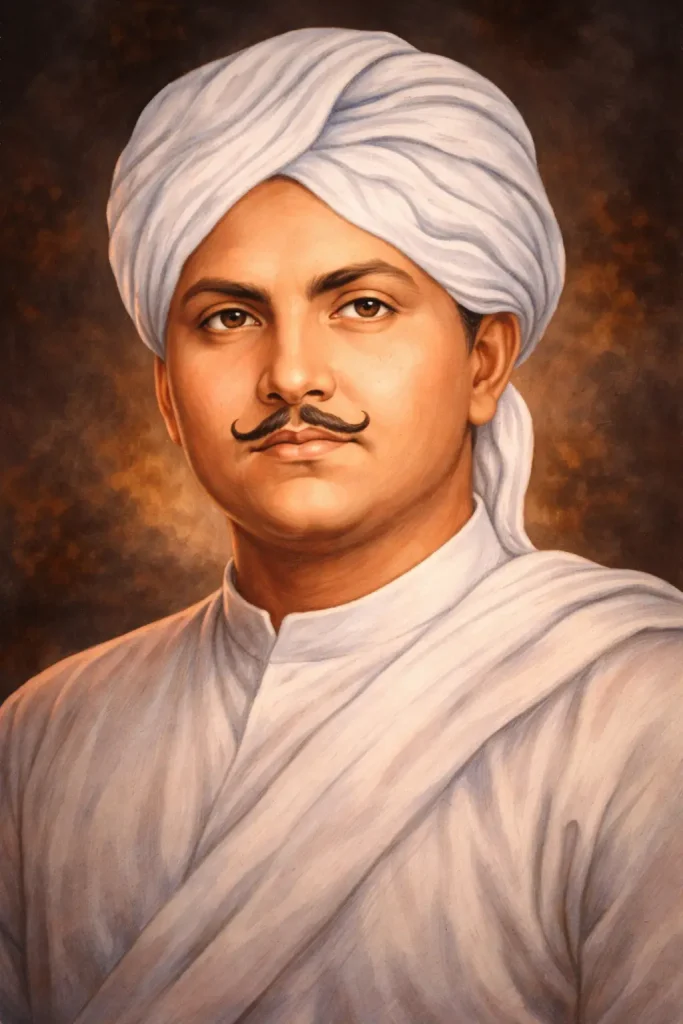
Inspirational Figure
Motivated communities to fight bravely for justice, rights, and freedom.
Cultural Protection
Promoted preservation of tribal traditions, governance systems, and social identity.
Community Mobilization
Inspired unity, courage, and collective action against colonial exploitation.
Strategic Planning
Developed resistance strategies and guided tribal fighters against colonial authorities.
Impact on Freedom Fight
Bakhtar Say’s contribution had a significant impact on the freedom struggle, especially among tribal communities who faced severe oppression under British colonial rule. His leadership strengthened tribal resistance by encouraging communities to unite and stand against unjust taxation, land seizures, and exploitation. By organizing collective opposition, he helped tribal groups realize the importance of protecting their rights, resources, and identity.
His efforts also inspired future resistance movements, motivating other tribal leaders and communities to challenge colonial authority. Bakhtar Say played a vital role in preserving tribal culture and traditional governance systems, which were threatened by British administrative control. His movement reinforced the value of self-rule and cultural pride among indigenous populations.
Additionally, Bakhtar Say promoted unity, courage, and collective strength among tribal societies. His bravery and determination became a symbol of resistance and empowerment. His legacy continues to inspire discussions about tribal rights, cultural preservation, and the broader struggle for India’s independence from colonial domination